
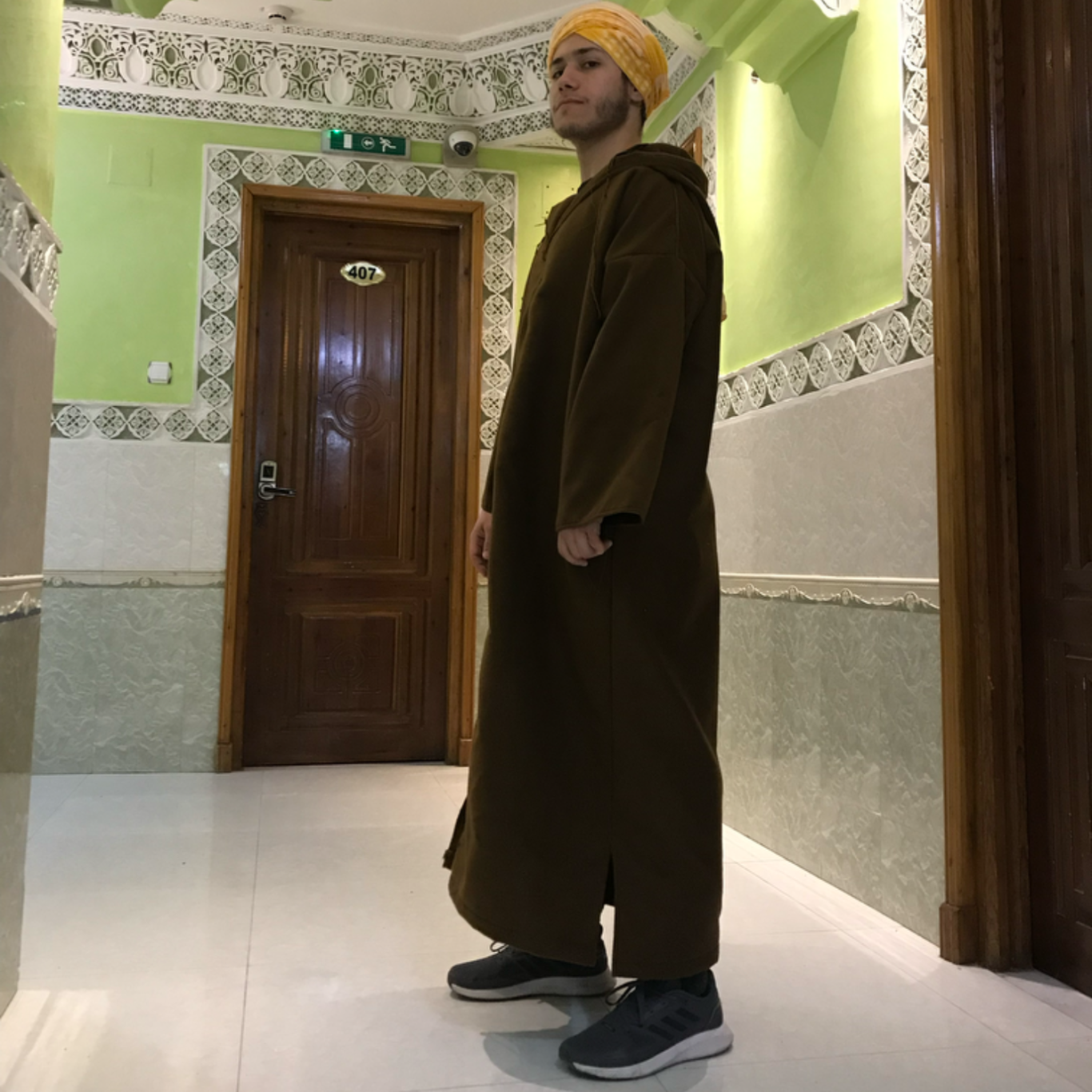
Qashabiyya
Originally, the qashabiyyah was woven from sheep’s wool by Amazigh communities of the Atlas ranges and surrounding oases, shaped by cold winds and a life of endurance. It was worn by shepherds, elders, and fighters, a garment of dignity and strength.
With the arrival of Arab Bedouins and their desert routes, camel wool was introduced. This tougher fibre adapted the cloak for harsher climates, blending traditions. It became worn by the locals in the rugged mountains of Algeria who fought for freedom, wrapped in resilience and ancestral identity.
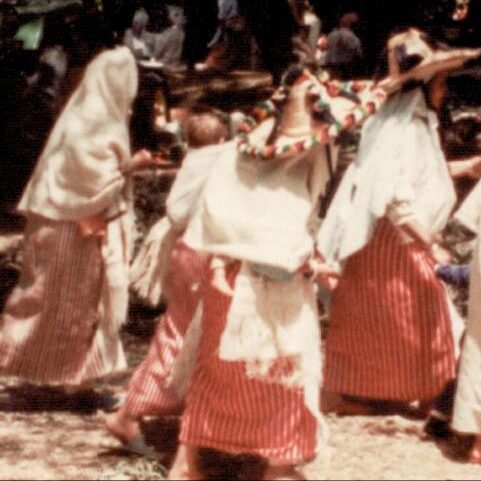
Mendil
The Mendil is a traditional garment of the women of the Jbala region, long inhabited by the Ghomara Amazigh of north-west Morocco. Worn around the waist and draped over the shoulders, its patterns express clan and regional identity while providing warmth and modesty, embodying heritage, dignity, and communal belonging.
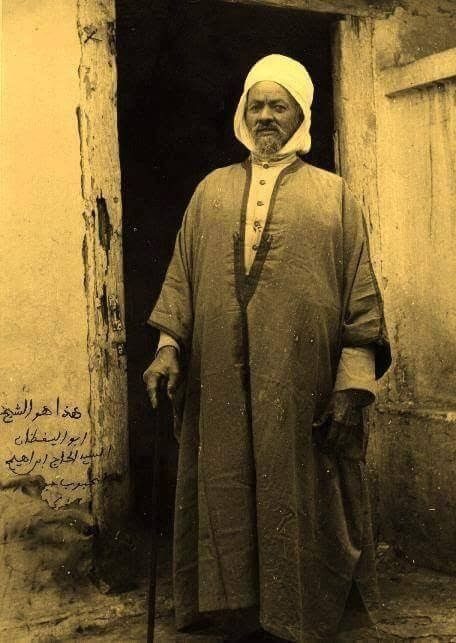
Gandoura
The gandoura is a loose, flowing garment designed for the rugged oases and mountains, offering comfort in the heat while preserving modesty. Worn by men of rural communities long before Islam reached North Africa, it developed distinct shapes and embroidery in Algeria, Morocco, and Tunisia, reflecting the identity and heritage.
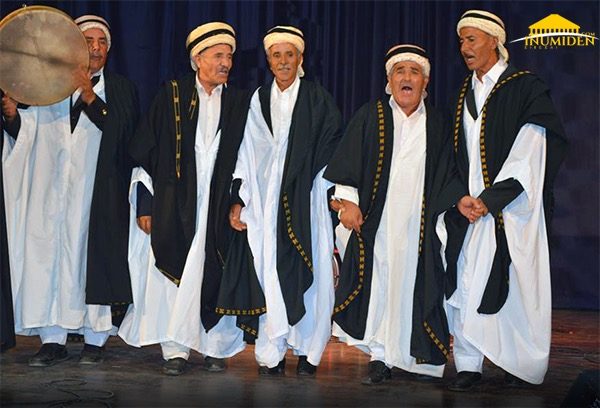
Burnous
The burnous was originally worn by Amazigh men in rural communities and later became a mark of prestige or scholarly status. Over time, it was adopted by both Amazigh and Arab Bedouins. Designed for practicality, it provides warmth in cold climates and ventilation in the heat, while embodying modesty and dignity.